
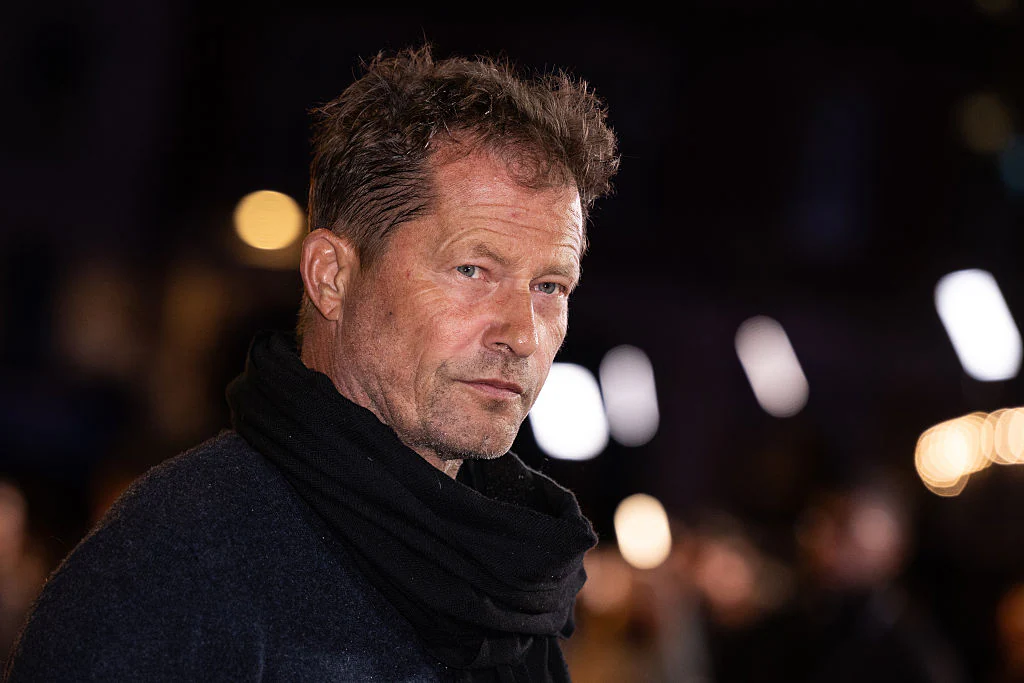
Til Schweiger has become far more than a household name in European entertainment—he’s an architect of contemporary cinema who transcends traditional acting boundaries. From his explosive breakout in the 1990s to his current standing as a producer, director, and cultural influencer, Til Schweiger’s career trajectory reveals how talent, strategic reinvention, and authentic storytelling can build a legacy that spans three decades. Recent developments in his career, coupled with the evolution of German filmmaking on the global stage, position him at the center of an industry transformation that audiences worldwide are beginning to recognize.
The Rise of Til Schweiger: From German Television to International Stardom
Til Schweiger’s journey began not with Hollywood dreams but with genuine artistic ambition rooted in German cinema. Born in Freiburg in 1966, he grew up in a cultural landscape that valued substantive storytelling over commercial spectacle. His early television appearances throughout the 1980s demonstrated a raw charisma that caught the attention of both audiences and filmmakers. However, the pivotal moment arrived with roles in German television films and dramatic productions that showcased his range beyond typical action roles.
The 1990s marked Schweiger’s explosive emergence as a leading figure in German cinema. Films like “Mein Krieg” and his collaboration with director Tom Tykwer established him as an actor capable of depth and vulnerability. Unlike many European actors who viewed Hollywood as the ultimate destination, Til Schweiger strategically chose roles that built his credibility within respected European film communities. This decision proved foundational—it created an authentic fan base that valued artistic integrity rather than mere celebrity status. His performances consistently demonstrated commitment to character development, setting him apart in an era increasingly dominated by franchise-driven casting.
Strategic Reinvention: From Actor to Producer and Director
The defining characteristic of Til Schweiger’s career is his refusal to remain confined by categorical limitations. While maintaining his presence as a sought-after actor, he began producing films in the early 2000s, recognizing that creative control required ownership of project development. This transition revealed his understanding of the entertainment industry’s structural realities—actors without production involvement have limited influence over storytelling direction and project selection.
His production company, Barefoot Films, became instrumental in shaping contemporary European cinema. The company didn’t pursue the typical prestige-project approach; instead, it backed commercially viable entertainment with genuine artistic merit. This dual focus attracted international financing while maintaining European authenticity. Productions under the Barefoot Films banner achieved what few European endeavors accomplish: reaching substantial audiences across multiple continents while remaining narratively coherent and thematically substantive. The company’s portfolio reflects Schweiger’s philosophy that entertainment and quality storytelling aren’t mutually exclusive concepts.
Directing represented another natural progression in Til Schweiger’s career evolution. His directorial efforts demonstrated that his understanding of performance and narrative transcended acting mechanics. Films he directed showcased a distinctive visual style influenced by classical European cinema but executed with contemporary sensibilities. This skill set—combining performance knowledge with directorial vision and production acumen—created a rare trifecta of capabilities that positioned him as a complete filmmaker rather than a one-dimensional talent.
German Cinema’s Global Expansion and Schweiger’s Central Role
The international film landscape has undergone significant transformation in recent years, with European productions increasingly competing for global attention. German cinema, historically respected but commercially limited outside Europe, began experiencing renewed international interest. Til Schweiger became symbolic of this expansion, representing a bridge between authentic European artistic traditions and global entertainment expectations.
Streaming platforms fundamentally altered European film distribution, removing geographic barriers that previously limited international reach. German productions that once struggled to secure theatrical distribution beyond their domestic markets suddenly gained access to worldwide audiences. Schweiger’s work benefited enormously from this structural shift, as did German cinema collectively. However, his success extended beyond fortunate timing; his consistent delivery of quality content and his understanding of what contemporary audiences wanted fundamentally contributed to German cinema’s improved positioning.
The evolution of international co-productions also benefited Schweiger’s career trajectory. Rather than relocating to Hollywood—a path many European actors followed—he influenced the structure of filmmaking to accommodate both European and international perspectives. His productions often featured multinational casts and crews, demonstrating that European production values and storytelling approaches could attract global talent. This approach essentially democratized international filmmaking, proving that quality productions could originate from anywhere rather than requiring Hollywood validation.
Recent Career Developments and Industry Influence
Recent years have witnessed Til Schweiger expanding his influence across multiple entertainment sectors. Beyond traditional film production, he’s engaged with digital content platforms and emerging distribution models that reflect entertainment’s technological evolution. His adaptability to changing industry structures—while many established actors struggled with technological disruption—underscored his commitment to remaining artistically relevant rather than coasting on past achievements.
Schweiger’s involvement in high-profile international projects has elevated his visibility within conversations about European cinema’s contemporary significance. Collaborations with established directors and emerging filmmakers alike have positioned him as a mentor figure within the industry. Younger European filmmakers increasingly recognize him as someone who successfully navigated industry transitions without compromising artistic principles or cultural authenticity. This mentorship role—though informal—represents influence that transcends box office metrics or audience metrics.
The actor’s continued selectivity regarding roles remains noteworthy. Rather than accepting every offer that comes his way, Schweiger maintains strict criteria for project involvement. This disciplined approach to career management has protected his reputation and ensured that his name attached to a project carries meaningful implications about its quality and creative ambition. In an industry increasingly dominated by algorithmic casting decisions and franchise imperatives, this approach constitutes a form of quiet resistance to commercialization pressures.
The Cultural Impact Beyond Entertainment Metrics
Til Schweiger’s significance extends beyond conventional entertainment industry measurements. Within German culture, he represents a figure who succeeded internationally without abandoning his cultural roots or artistic principles. This positioning carries particular resonance in European contexts where American cultural dominance has been a persistent concern. He demonstrates that European talent can achieve global recognition while maintaining cultural authenticity and artistic integrity.
His productions have frequently explored distinctly European themes and cultural narratives, bringing European perspectives to global audiences. Rather than diluting content to achieve international accessibility, his work maintains narrative specificity rooted in European contexts. This approach proves that audiences worldwide appreciate culturally specific storytelling when executed with sufficient craft and emotional authenticity. The international success of European narratives through his productions suggests that globalization hasn’t erased audience appetite for culturally distinct voices.
Additionally, Schweiger’s career trajectory influences how European talent approaches industry participation. His model—building credibility domestically before expanding internationally, maintaining production involvement, remaining selective about roles, and refusing unnecessary relocation—offers an alternative to the traditional Hollywood pathway. This influence affects how emerging European actors consider their career development, potentially encouraging more creators to build sustainable careers rooted in their cultural contexts.
The Contemporary Streaming Era and Schweiger’s Adaptation
The transition from theatrical distribution to streaming platforms represents the industry’s most significant structural shift in decades. Til Schweiger’s engagement with streaming content—without abandoning theatrical projects—demonstrates adaptive business thinking. His willingness to work across both traditional and digital distribution models reflects recognition that contemporary audiences consume content through multiple platforms simultaneously.
Streaming platforms’ international focus proved particularly advantageous for European creators who historically faced geographic distribution limitations. Schweiger’s productions gained access to viewership that theatrical distribution would never have reached. The global subscriber bases of major streaming services essentially eliminated the geographic barriers that once confined European cinema to regional audiences. This structural advantage, combined with his established credibility and production expertise, positioned him favorably within the streaming content ecosystem.
However, Schweiger hasn’t prioritized streaming at the expense of theatrical filmmaking. This balanced approach maintains the prestige associated with theatrical releases while capitalizing on streaming’s distribution advantages. This portfolio diversity provides financial stability and creative flexibility—streaming projects can offset theatrical risk while theatrical releases maintain cultural prestige and awards consideration. This strategic thinking reflects sophisticated understanding of contemporary entertainment economics.
Challenges and the European Film Industry’s Ongoing Struggles
Despite increased international visibility for European cinema, structural challenges persist. Production financing remains concentrated in a limited number of European territories, with German, British, and French productions receiving disproportionate investment. Emerging European filmmakers still struggle to secure financing for ambitious projects, even as established figures like Schweiger successfully secure substantial budgets. This disparity reflects industry inequities that individual success stories don’t fundamentally address.
Additionally, the competitive intensity of global content creation has increased substantially. Streaming platforms produce enormous volumes of content from multiple continents, fragmenting audience attention and making commercial success increasingly difficult to predict. Even established producers face uncertainty regarding audience reception and competitive positioning. Schweiger’s continued relevance in this competitive landscape reflects both his established reputation and his demonstrated ability to produce content that audiences actively choose within crowded content ecosystems.
The concentration of distribution power among a small number of streaming platforms has introduced new dependencies into European filmmaking. Unlike theatrical distribution, where multiple exhibition channels existed, streaming platforms essentially control contemporary audience access. This consolidation creates vulnerabilities for producers dependent on platform approval and algorithmic promotion. Schweiger’s diversified approach—maintaining theatrical projects, producing for multiple platforms, and controlling production infrastructure—provides some insulation against these structural dependencies.
Key Takeaways
- Til Schweiger represents a successful alternative to traditional Hollywood pathways, demonstrating that European creators can achieve global recognition while maintaining cultural authenticity and artistic integrity.
- His production company and directorial work provide evidence that complete filmmaker involvement—spanning acting, producing, and directing—enables greater creative control and sustainable career management.
- German cinema’s international expansion directly benefited from established figures like Schweiger who maintained quality standards while engaging with global audiences.
- His balanced approach to theatrical and streaming content reflects sophisticated understanding of contemporary distribution realities and audience consumption patterns.
- Schweiger’s career trajectory influences how emerging European talent considers professional development, potentially establishing alternative models to conventional Hollywood-centered pathways.
Frequently Asked Questions
What are Til Schweiger’s most internationally recognized films?
Til Schweiger’s breakthrough international recognition came through a combination of German-language productions and collaborative projects. His work in dramatic roles throughout the 1990s and 2000s established his reputation within European cinema circles. Internationally, he gained broader recognition through theatrical releases that achieved distribution beyond traditional German-speaking markets. His performances consistently demonstrated range and emotional depth, attracting attention from international film festivals and critics who recognized his commitment to substantive character work.
How has Til Schweiger’s production company influenced contemporary European filmmaking?
Barefoot Films operates with a philosophy that respects both artistic merit and commercial viability. The company’s project selection demonstrates understanding of what contemporary audiences want while maintaining thematic coherence and narrative ambition. By successfully producing films that appeal to substantial audiences without compromising quality, the production company established a model that influenced how other European producers approached project development. Their success proves that European productions can achieve commercial viability while maintaining cultural authenticity.
What makes Til Schweiger’s approach to career management different from other European actors?
Rather than pursuing Hollywood relocation as the ultimate professional goal, Schweiger built his career within European film industries while strategically expanding international involvement. His decision to become a producer and director demonstrated commitment to complete artistic involvement rather than accepting passive acting roles. This approach maintained creative control while building sustainable long-term career foundations. His selectivity regarding project involvement—accepting only roles that align with artistic principles—provides contrast to actors who prioritize quantity and commercial opportunity.
How has streaming distribution affected Til Schweiger’s career and production work?
Streaming platforms eliminated geographic distribution barriers that historically limited European cinema’s international reach. Schweiger’s productions gained access to global audiences previously unavailable through theatrical distribution. However, his decision to maintain theatrical project involvement demonstrates recognition that both distribution channels serve different purposes—streaming provides reach while theatrical releases provide prestige and awards consideration. This balanced approach maximizes creative and financial opportunities across both platforms.
What role has Til Schweiger played in elevating German cinema internationally?
His consistent production of quality films, combined with his willingness to engage with international collaborations, contributed to German cinema’s improved global positioning. By maintaining European production values and storytelling approaches while attracting international audiences, he demonstrated that geography doesn’t determine quality or commercial viability. His mentorship of emerging European filmmakers and his advocacy for European perspectives within international contexts further amplified his influence on the industry’s broader trajectory.
Does Til Schweiger continue acting alongside his production and directing work?
Schweiger maintains active involvement across all three roles—acting, producing, and directing. This diversified creative engagement reflects his commitment to artistic participation rather than abstract management. His continued acting work demonstrates that he remains artistically engaged with performance, while his producing and directing efforts provide the broader creative control he values. This portfolio approach allows him to participate in projects at multiple levels simultaneously.
What emerging trends does Til Schweiger’s career reflect about the entertainment industry’s evolution?
His career trajectory illustrates several significant industry trends: the increasing viability of non-Hollywood production models, the importance of complete creative involvement for artistic fulfillment, the elimination of geographic barriers through digital distribution, and the sustained audience appetite for culturally specific storytelling. His adaptive approach to streaming platforms while maintaining theatrical involvement reflects the hybrid distribution reality emerging creators now navigate. His influence on European talent’s career planning demonstrates that alternative pathways to professional success are increasingly viable.
Conclusion: A Legacy of Authentic Creativity in Transforming Industries
Til Schweiger’s career represents more than individual professional success—it embodies the transformation of European cinema and the evolving entertainment industry’s structural possibilities. By maintaining artistic integrity while embracing technological and structural changes, he constructed a sustainable career that transcends temporary trends or fashion-driven casting cycles. His influence extends beyond his films to shape how emerging European creators conceptualize professional development and creative ambition.
The entertainment industry continues experiencing unprecedented technological and structural transformation. Streaming platforms, international co-productions, and digital distribution have fundamentally altered how content reaches audiences and achieves commercial viability. Within this evolving landscape, Til Schweiger’s adaptive approach—combining artistic principles with business sophistication—provides a model for sustainable creative careers. He demonstrates that success doesn’t require compromising cultural authenticity or artistic principles to achieve global recognition.
As European cinema continues expanding internationally and streaming platforms remain central to contemporary entertainment consumption, Til Schweiger’s ongoing involvement and influence will likely deepen. His demonstrated ability to navigate industry transitions while maintaining quality standards positions him as a significant figure in entertainment’s continued evolution. Whether through acting roles, directorial projects, or production work, he continues shaping how global audiences engage with European storytelling and perspectives.
For audiences interested in understanding contemporary cinema’s trajectory, European filmmaking’s international expansion, or how individual creative vision operates within industry constraints, Til Schweiger’s career provides compelling case study material. His work demonstrates that sustainable success emerges from authentic commitment to craft, strategic business thinking, and courageous willingness to maintain principles when commercial pressures might encourage compromise. In an entertainment landscape increasingly dominated by algorithmic decisions and franchise imperatives, his career trajectory represents a form of quiet resistance to commodification while building something genuinely meaningful.
Explore further into European cinema’s contemporary renaissance, discover the emerging filmmakers building on foundations established by figures like Schweiger, and engage with the international storytelling that global audiences increasingly embrace. The future of entertainment belongs partly to creators who understand their cultural contexts deeply while engaging authentically with global perspectives—a philosophy Til Schweiger has practiced throughout his career.
Sie können auch lesen
Alan Ritchson: From Soap Operas to Digital Icon Reshaping Entertainment