Headline (60 characters): Alan Ritchson: Hollywood’s Unlikely Tech and Fitness Mogul
Introduction
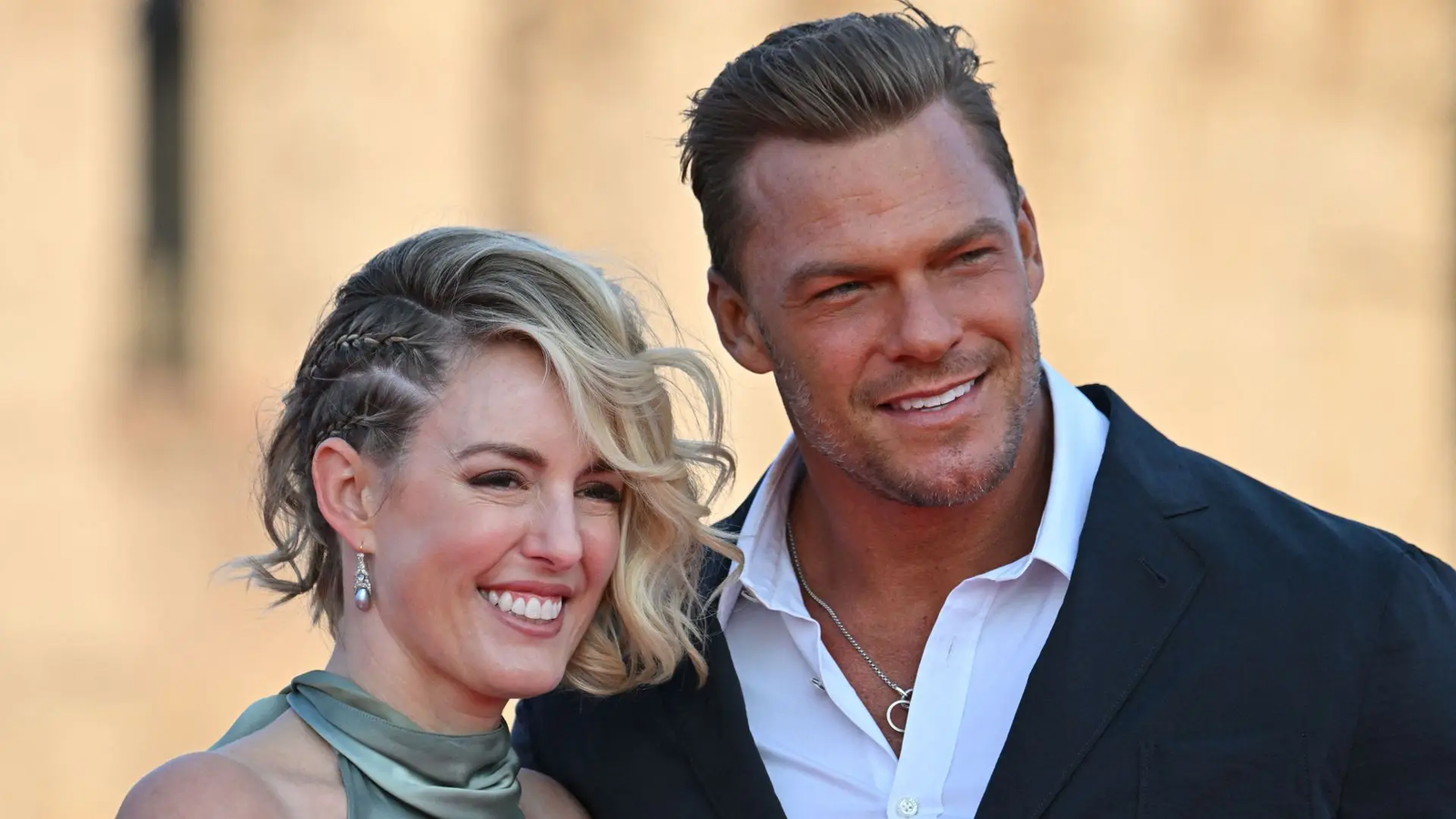
When Alan Ritchson walked onto a sound stage in his early twenties as a soap opera extra, nobody predicted he’d eventually become one of entertainment’s most versatile and influential figures. Today, the 47-year-old actor, television host, and entrepreneur commands millions of social media followers, leads one of streaming’s most-watched action franchises, and has built a wellness empire that rivals traditional celebrity ventures. His rise from bit-part player to multi-hyphenate mogul reveals something essential about modern entertainment: authenticity, business acumen, and relentless self-improvement now matter as much as traditional acting talent. This shift—where celebrities become entrepreneurs and builders, not just performers—is reshaping how we think about celebrity influence in 2026.
The Unconventional Path to Hollywood Stardom
Alan Ritchson’s journey defies the typical celebrity narrative. Unlike many A-list actors who found early success through prestigious roles or family connections, Ritchson spent years grinding through supporting roles, student films, and forgettable television appearances. His early work included small parts in shows like Smallville and Person of Interest—roles that most actors would list in a footnote, yet Ritchson treated each opportunity as a masterclass in his craft. This willingness to apprentice himself to the entertainment industry, rather than chasing the spotlight immediately, established a work ethic that would define his entire career.
The turning point came unexpectedly. While many actors peaked early in television or faded into obscurity, Ritchson made the counterintuitive decision to build his personal brand independently. He began documenting his fitness journey on social media, sharing workout routines, nutrition insights, and behind-the-scenes glimpses of his life. This wasn’t cynical brand-building—it was genuine. Ritchson had become obsessed with fitness after leaving soap operas, and his transformation was documented authentically over years, not months. By the time streaming platforms revolutionized how action heroes were cast, Ritchson had already built credibility as someone who lived the part.
Reacher: The Role That Changed Everything
In December 2022, Amazon Prime Video released Reacher, a series adaptation of Lee Child’s bestselling novels featuring Alan Ritchson in the lead role. The show became a phenomenon that nobody anticipated. Streaming numbers suggest it attracted over 100 million viewers in its first three months—a scale of success that positioned Ritchson alongside the industry’s most bankable stars overnight. What made this success notable wasn’t just the viewership; it was that Ritchson, at a relatively advanced age for major stardom, embodied the character so completely that he essentially redefined what Jack Reacher looked like for a generation of viewers.
The character demanded precisely what Ritchson had spent years building: a physical presence that suggested credibility as a former military intelligence officer, combined with acting depth that could convey the character’s moral complexity. Reacher required Ritchson to handle fight choreography, dialogue-heavy scenes, and moments of surprising vulnerability. His performance proved he wasn’t a one-dimensional action star or a fitness influencer playing pretend. He was a genuine actor who happened to possess the physical presence the role demanded. The show’s renewal for multiple seasons and its cultural impact demonstrated something significant about audience preferences: viewers prefer authentic casting and proven versatility over celebrity name recognition alone.
Building an Empire Beyond Acting
What distinguishes Ritchson from other successful actors is his aggressive diversification into business and media. While acting provides celebrity and cultural platform, Ritchson recognized that entrepreneurs build generational wealth—actors collect paychecks. This distinction drives his strategy. He co-founded and invested in Vital Proteins, one of the collagen supplementation space’s fastest-growing brands, tapping into the broader wellness and longevity movement that’s become central to modern consumer culture. The brand’s success reflects larger trends: collagen supplements have evolved from niche biohacking products into mainstream wellness staples with legitimate scientific backing.
Beyond Vital Proteins, Ritchson launched Ritchson Media, his production company that develops content across platforms. This move mirrors what successful actors like Reese Witherspoon and Mark Wahlberg accomplished—creating infrastructure that allows him to develop, produce, and star in projects rather than simply appearing in content others create. His production company approach grants him creative control, financial participation in multiple revenue streams, and the ability to shape his narrative rather than having it shaped by studio executives. The digital distribution revolution that made this possible—where traditional gatekeepers hold less power—has enabled actors with business instincts to become genuine moguls.
The Digital Empire: Social Media Influence and Personal Brand
Alan Ritchson’s social media presence operates differently from typical celebrity accounts. Rather than standard promotional content, he shares workout videos, fitness tips, nutritional advice, and glimpses into his lifestyle that feel educational rather than self-aggrandizing. His Instagram and YouTube following numbers in the millions, with engagement rates that suggest genuine community rather than passive followers. This distinction matters for understanding modern influence: followers watch Ritchson not because he’s famous but because the content provides utility and inspiration.
His fitness content particularly resonates with male audiences over 35—a demographic typically underserved by fitness influencers who target younger audiences. Ritchson’s approach appeals to busy professionals and older men who see fitness as part of comprehensive health rather than vanity. His “Protein Pancakes” and workout series have generated millions of views and spawned countless imitations. This organic influence translates directly into business: people who follow Ritchson’s fitness content become customers for his wellness ventures, amplifying his commercial reach beyond traditional celebrity endorsement mechanisms. He’s essentially created a closed-loop ecosystem where content drives community, community drives commerce, and commerce funds further content creation.
Television Hosting and Mainstream Visibility
Beyond his acting work, Ritchson’s hosting roles have expanded his mainstream visibility significantly. He became the host of Special Forces: World’s Toughest Test on Fox, a reality competition show that adapted the military selection process into television format. This hosting role differed fundamentally from acting—it required him to be himself, to create narrative structure in real time, and to build rapport with contestants. The show’s success demonstrated that viewers connected with Ritchson not because of scripted character portrayal but because of his genuine personality and apparent authenticity.
This hosting work served multiple strategic purposes. It kept Ritchson visible during gaps between Reacher seasons, maintained his connection with traditional television audiences, and positioned him as a personality rather than simply an actor. In the fragmented media landscape of the 2020s, this visibility matters. An actor who appears only when new projects release risks becoming invisible between projects. Ritchson’s diversified presence ensures he remains a cultural reference point across multiple entertainment platforms simultaneously.
The Longevity and Wellness Industry Connection
The broader context of Ritchson’s success includes the explosion of longevity and wellness as central preoccupations for affluent consumers. The supplement industry has evolved from a marginal market into a multi-billion dollar sector, with collagen specifically recognized for purported benefits in skin health, joint function, and gut health. Ritchson’s involvement with Vital Proteins positions him at the intersection of celebrity credibility and health optimization—precisely where consumer attention concentrates in 2026.
His approach to this market differs from typical celebrity endorsements. Rather than simply appearing in advertisements, Ritchson publicly documents his own fitness routines and nutritional choices, implicitly endorsing his products through demonstrated commitment rather than explicit advertising. This authenticity-based marketing approach resonates particularly with younger affluent consumers skeptical of traditional advertising. They trust what they see documented over time more than what they’re told to purchase. Ritchson understood this shift intuitively, which explains why his ventures gain traction where other celebrity wellness brands plateau.
Emerging Trends: Entertainment Meets Entrepreneurship
Ritchson’s career trajectory reflects broader industry trends that will define entertainment’s future. The convergence of acting, content creation, and business ventures has become the template for young celebrities building sustainable careers. Traditional acting alone—even successful acting—creates dependency on studio decisions and role availability. Adding content creation (YouTube, TikTok, podcasts) and business ventures (product lines, production companies, investments) creates multiple income streams and lasting influence.
Streaming platforms accelerated this trend by reducing the power of traditional talent gatekeepers. A compelling actor like Ritchson, with proven audience appeal, can now negotiate directly with platforms to star in and develop content. This shift explains why many successful modern celebrities are entrepreneurs first and actors second. They recognize that entertainment provides platform and visibility, but business creates wealth and lasting impact. Ritchson’s multi-platform success—as actor, host, influencer, and entrepreneur—represents the emerging template for 21st-century celebrity.
The Future of Celebrity in Streaming’s Second Wave
As streaming platforms mature and audiences fragment across increasingly specialized content, the celebrities who thrive will likely resemble Ritchson: multi-talented performers who maintain authentic personal brands across multiple platforms simultaneously. The era of actors who only act, appearing occasionally in carefully curated projects, has given way to an era where constant visibility and demonstrated expertise matter more than traditional prestige.
Ritchson’s model suggests several predictions about entertainment’s future. First, physical transformation and fitness will remain central to action hero casting—but authenticity will matter more than extreme aesthetics. Audiences now recognize genuine physique development over time more than artificially perfect bodies. Second, audiences prefer performers who are also educators or thought leaders in their domains. Ritchson’s fitness expertise adds credibility to his action roles and his wellness ventures equally. Third, traditional success metrics—awards, prestigious roles, critical acclaim—matter less than audience connection and business acumen. Ritchson may never win an Academy Award, but his cultural impact and business success suggest he’s built something more enduring than award recognition provides.
Behind the Brand: Authenticity as Business Strategy
What separates Ritchson’s ventures from celebrity cash grabs is an apparent genuine commitment to the domains he enters. He’s not simply attaching his name to products others develop; he appears deeply involved in content creation, product development, and brand strategy. His fitness content predates his major acting success by years, suggesting the interest preceded the commercial opportunity rather than following it. This ordering matters enormously—audiences can distinguish between authentic passion documented over years and opportunistic brand extension announced overnight.
This authenticity extends to his public persona. Ritchson speaks openly about personal challenges, family commitment, and the costs of building multiple careers simultaneously. This transparency builds trust in ways that traditional celebrity polishing doesn’t. Audiences in 2026 recognize and distrust the sanitized celebrity narrative; they connect instead with performers who acknowledge difficulty and complexity. Ritchson’s willingness to be honest about his journey—the years of small roles, the fitness obsession others didn’t understand, the business ventures that likely failed—makes his successes seem earned rather than inevitable.
Key Takeaways
- Multi-platform diversification has become essential for modern celebrity success. Alan Ritchson’s income, influence, and cultural impact derive from acting, social media, hosting, production, and entrepreneurial ventures—not from acting alone.
- Authenticity and demonstrated expertise now matter more than traditional prestige. Ritchson’s fitness knowledge, documented over years before commercialization, gives credibility that celebrity endorsements cannot purchase.
- Streaming platforms have democratized access to major acting roles. Ritchson’s Reacher casting demonstrates that age, unconventional background, and proven audience appeal matter more than traditional studio connections.
- Content creation and personal branding are no longer optional for celebrities. Social media presence, fitness documentation, and thought leadership directly translate into business opportunity and cultural influence.
- The entrepreneur-entertainer hybrid represents the template for sustainable celebrity success. Relying on acting work alone creates vulnerability; adding business ventures, production companies, and media platforms creates multiple revenue streams and lasting impact.
Frequently Asked Questions
Q: What made Alan Ritchson‘s casting as Jack Reacher significant? A: Ritchson’s casting mattered because it rejected traditional celebrity casting in favor of physical and behavioral authenticity. At 47, he wasn’t a younger star with A-list pedigree, yet he completely embodied the character. His success demonstrated that audience connection and proven ability matter more than celebrity status or studio preference.
Q: How did Alan Ritchson build his social media following? A: Rather than simply promoting himself, Ritchson created genuinely useful fitness and lifestyle content. His workout videos, nutritional guidance, and behind-the-scenes documentation provided value independent of his celebrity status. This utility-first approach built organic following from people interested in the content rather than passive celebrity worship.
Q: Is Alan Ritchson primarily an actor or entrepreneur? A: He’s increasingly both equally. While acting provides visibility and platform, his business ventures—particularly Vital Proteins and production company—represent where he’s building lasting wealth and influence. Modern successful celebrities typically operate across both domains simultaneously.
Q: What does Vital Proteins do? A: Vital Proteins manufactures and sells collagen-based supplements and wellness products. The brand capitalizes on growing consumer interest in longevity, joint health, and skin health. Ritchson’s involvement as co-founder and public advocate drives brand credibility within the competitive supplements market.
Q: Why is Alan Ritchson’s fitness content popular among older males? A: Ritchson’s fitness approach emphasizes practical, achievable results for busy professionals rather than extreme transformations. His content acknowledges the challenges of maintaining fitness while managing career and family, making it relevant to men over 35 who see fitness as health maintenance rather than aesthetic competition.
Q: How has streaming changed opportunities for actors like Ritchson? A: Streaming platforms prioritize audience appeal and proven capability over traditional studio connections and prestige metrics. This shift allowed Ritchson, without extensive A-list history, to secure leading roles based on authentic casting fit and demonstrated ability rather than celebrity status or agent connections.
Q: What’s Alan Ritchson’s production company strategy? A: Ritchson Media develops content that Ritchson can star in and executive produce, giving him creative control and financial participation beyond typical acting compensation. This approach mirrors successful models created by actors like Reese Witherspoon and Mark Wahlberg, allowing performers to build enduring media properties rather than simply appearing in others’ projects.
Conclusion
Alan Ritchson’s journey from supporting-role actor to entertainment mogul reflects fundamental shifts in how celebrities build careers and influence in the digital age. His success combines factors that weren’t previously possible to leverage simultaneously: authentic personal branding through social media, strategic business ventures aligned with genuine interest, acting roles selected for fit rather than status, and content creation that provides utility beyond promotion. He represents not a unique anomaly but rather the emerging template for sustainable celebrity success in streaming’s second wave.
For audiences, Ritchson’s ascent suggests that entertainment will increasingly feature performers who demonstrate actual expertise in their public domains, who maintain authentic presence across multiple platforms, and who build business empires alongside acting careers. For aspiring entertainers, his model offers a blueprint: develop genuine expertise, document your journey authentically, build community around utility rather than fame, and treat business development as seriously as entertainment performance.
The entertainment industry’s future likely belongs to multi-talented performer-entrepreneurs like Ritchson—individuals who understand that sustainable success requires building multiple revenue streams, maintaining authentic personal brands, and creating value beyond the specific performances audiences watch. As traditional celebrity gatekeeping continues to erode and direct audience connection becomes paramount, expect more performers to follow Ritchson’s model of combining elite performance ability with genuine entrepreneurial commitment. The era of actors who simply act, without business acumen or personal brand development, is ending. The age of authentic, multi-platform entertainer-entrepreneurs has already begun.
Continue the conversation: What aspects of Ritchson’s career trajectory most interest you? Explore how other actors are adopting similar entrepreneur-entertainer models, investigate the collagen supplement industry’s explosive growth, or examine how streaming platforms are reshaping traditional talent casting. The intersection of entertainment, business, and digital culture continues evolving rapidly—and Ritchson’s model provides insight into where that evolution leads.